Bus Rapid Transit (BRT) is a bus-based transit system that provides fast, frequent, reliable, and cost-effective transit through dedicated bus-only lanes marked by red asphalt. These are special lanes on the road that are only for BRT buses. They’re painted red so drivers know not to use them. This helps buses avoid traffic and stay on schedule. Each bus shelter is built to serve buses going in one direction—either eastbound or westbound.
BRT can carry more people and can offer more frequent and faster service than conventional bus services.

Durham-Scarborough Bus Rapid Transit
Connecting communities
The Durham-Scarborough Bus Rapid Transit (DSBRT) line is a 36-kilometre rapid transit corridor connecting the City of Oshawa, Town of Whitby, Town of Ajax, City of Pickering and the City of Toronto.

Designed to deliver faster, more reliable service along Kingston Road (Highway 2), the DSBRT will transform how people travel across Durham Region and into Toronto.
It will provide two-way transit service every five minutes, dedicated median bus only priority signals, and anticipated time savings of 20 minutes for transit trips along the corridor. To support active transportation and improve access for all road users, the DSBRT project also includes new in-boulevard cycle tracks for bike users and wider, accessible sidewalks.
In partnership with Metrolinx, the DSBRT project was assessed under the Transit Project Assessment Process (TPAP), in accordance with Ontario Regulation 231/08. The project aims to create seamless connections with local transit networks across Durham Region and into the City of Toronto.
The DSBRT project is partially funded by a joint investment by the Government of Canada, the Government of Ontario and Durham Region through the Investing in Canada Infrastructure Program (ICIP).
Watch the video to learn about how the DSBRT system works
This video provides an overview of what DRT riders and other road users will experience when the DSBRT opens for service.
Frequently asked questions
General information about the DSBRT
What is Bus Rapid Transit (BRT)?
What is the Durham-Scarborough Bus Rapid Transit (DSBRT)?
The Durham-Scarborough Bus Rapid Transit (DSBRT) is a proposed bus rapid transit corridor that spans approximately 36 kilometres, connecting the City of Oshawa, Town of Whitby, Town of Ajax, City of Pickering and City of Toronto.
This project aims to improve transit efficiency and reliability along the Highway 2 - Ellesmere Road corridor, providing seamless connections between multiple municipalities and key destinations such as employment hubs, schools, and commercial centres.
For more information regarding the DSBRT project overview, visit Metrolinx.
Where is the DSBRT construction taking place and how long will it take to complete?
Through the Investing in Canada Infrastructure Program (ICIP), the Region of Durham will construct Phase 1 of the DSBRT segments through the Town of Ajax and City of Pickering on Kingston Road (Highway 2).
Anticipated construction timelines for the following segments as follows:
- Rotherglen Road to Harwood Avenue in the Town of Ajax (Anticipated construction: 2025-2027)
- Harwood Avenue to Wicks Drive in the Town of Ajax (Anticipated construction: 2025-2026)
- Steeple Hill to Merritton Road in the City of Pickering (Anticipated construction: 2025-2027)
- Dixie Road to Bainbridge Drive in the City of Pickering (Anticipated construction: 2025-2028)
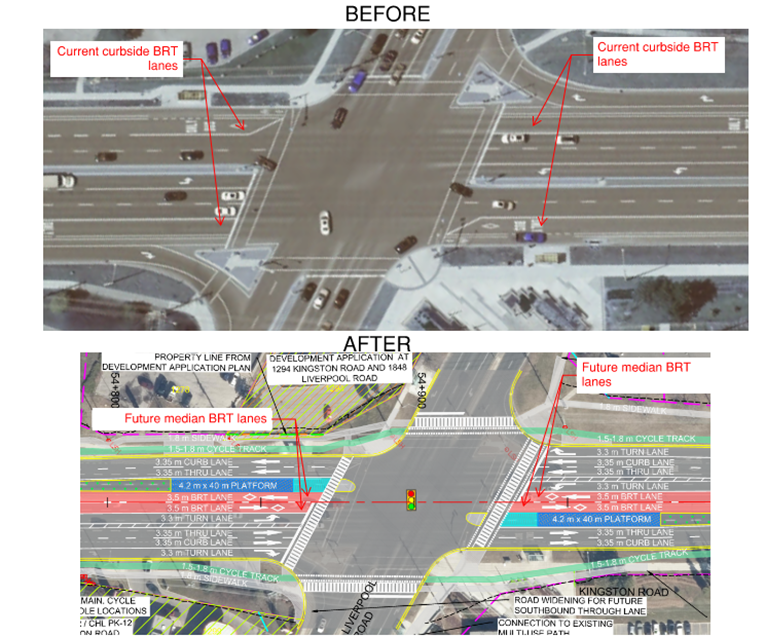
Why is the curbside BRT moving to median BRT on Kingston Road (Highway 2)?
You can watch the video to learn about how the DSBRT system works
The curbside BRT on Kingston Road (Highway 2) is being relocated to median BRT lanes to enhance operational efficiency and reliability.
Median lanes reduce conflicts with turning traffic, offer dedicated lanes with fewer interruptions, and provide easier access to central stations, resulting in faster and more reliable travel times for transit riders.
What are the benefits of median Bus Rapid Transit?
Median Bus Rapid Transit (BRT) systems provide numerous advantages. They enhance travel efficiency by utilizing dedicated infrastructure such as bus-only lanes and prioritizing traffic signals, resulting in quicker and more streamlined operations.
BRT systems boost the economy by generating employment opportunities, fostering businesses, and encouraging housing development. They also support sustainable travel methods, which help alleviate traffic congestion and lower greenhouse gas emissions.
BRTs can enhance road safety with better street design, dedicated pedestrian and bicycle infrastructure, and improved driver behavior.
Which buses will use the dedicated transit lanes?
This project builds on the existing Durham Region Transit (DRT) service, which currently runs between downtown Oshawa and the University of Toronto Scarborough Campus.
DRT buses will use the dedicated median transit lanes, while local transit routes will continue to operate curbside, ensuring convenient access for businesses and residents along Kingston (Highway 2).
Furthermore, it is anticipated that GO and TTC buses, as well as emergency vehicles, will be permitted to use the dedicated BRT lanes once they become operational.
Where will the median BRT stations be built?
Through the Investing in Canada Infrastructure Program (ICIP), the first median BRT stations will be constructed along Kingston Road (Highway 2) in the Town of Ajax and City of Pickering.
These stations will be located at:
- Salem Road
- Harwood Road
- Chapman Road
- Westney Road
- Brock Road
- Valley Farm Road
- Glenanna Road
- Liverpool Road
- Dixie Drive
- Fairport Avenue
- Whites Road
These stations will feature distinctive branding and a modern, bright design. The selection of these median BRT stations was based on factors such as passenger demand, accessibility, connections to local transit routes, and proximity to major destinations.
Full list of bus stations proposed under the DSBRT project.
Will BRT stations be fully accessible to individuals with disabilities?
Yes, BRT stations will be fully accessible to individuals with disabilities.
How much will it cost to ride the BRT?
Transit riders will continue to pay regular DRT fares.
What should I expect during construction on Kingston Road (Highway 2)?
Access to local businesses along the corridor will remain open at all times.
During construction, pedestrians may be redirected to opposing sidewalks and crossings. Temporary traffic congestion and potential short-term delays may be experienced at times. Heavy equipment and construction activities may result in short-term noise, dust, and vibration. Lane restrictions will be necessary to accommodate construction.
How do drivers reach the opposite side of the road?
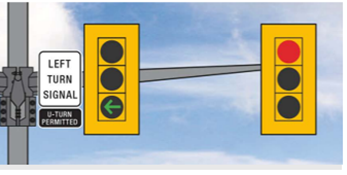
Drivers can reach the opposite side of the road using designated crossing points such as U-turns at intersections.
These crossing points are strategically placed to ensure safe and efficient access across the median.

Pedestrians and cyclists can cross major streets and access the median station via the intersection crosswalk or cross ride.
The goal is to extend pedestrian crossing times to ensure everyone can safely cross the entire distance of the crosswalk.
How will drivers know to stay out of the BRT lanes?
Several features make the BRT lanes highly visible, including red pavement and “bus only” pavement markings. These features are expected to help ensure that drivers stay out of the BRT lanes, allowing buses to move efficiently and safely.
Will there be separate signals for cyclists at the intersection?
Yes, cyclists will have dedicated bike signals to safely cross at intersections.
Where will the cycle track / multi-use pathways be located?
The asphalt cycle track and multi-use pathways will be located off-road within the boulevard with standard signs and pavement markings.
Bus Stations
Why are the new bus stations being installed before the DSBRT system begins operating?
The new bus stations are being installed in accordance with the project construction schedule. Completing the stations early allows the project team to efficiently coordinate construction activities and prepare the corridor for future DSBRT operations.
This phased approach is a common practice on major infrastructure projects and helps keep the overall project on schedule while minimizing future disruptions.
How was the design for new shelters selected?
In 2022, the Region of Durham and Durham Region Transit (DRT) consulted with residents and the public on a preferred bus station design. This public engagement provided an opportunity for interest holders to share feedback on the design options. Recommendations on station design and features were based on information gathered from this consultation.
What are the enhanced features?
Designed to enhance comfort, accessibility and the customer experience, stations will feature improved passenger amenities and real-time transit information. Security features, such as cameras and emergency alarms, will be in place when the DSBRT system enters service.


Will the new bus stations be open before DSBRT service begins?
No. Stations will not be open for public use until service launches. Before service begins, DRT will complete testing and training activities to ensure the safety of our transit operations. Information about DSBRT median bus lane and station openings, along with related service updates, will be shared publicly before DSBRT operations begin.
How will construction affect drivers and other road users?
Where bus stations are being installed, traffic will be temporarily reduced to one lane during construction. All road users may experience temporary changes as construction progresses. Depending on the location and stage of construction, temporary conditions may include lane shifts and restrictions, changes to turning movements, pedestrian detours or other changes to how the road is used. Follow durham.ca/News for construction updates to help prepare for upcoming traffic impacts.
Drivers, pedestrians, cyclists and transit customers should follow posted signage and construction information while travelling through work areas.
Where can I find information about the project?
Information about DSBRT construction and transit service will continue to be available through Durham Region and Durham Region Transit platforms.
Highway 2 Bus Rapid Transit DSBRT Construction
Through the Investing in Canada infrastructure Program (ICIP), the Regional Municipality of Durham will be constructing Phase 1 of DSBRT segments through Pickering, Ajax and Whitby.
List of Durham Region Led Projects:
Kingston Road Bus Rapid Transit (BRT): Steeple Hill to Merritton Road
Kingston Road Bus Rapid Transit (BRT): Merritton Road to Dixie Road
Kingston Road Bus Rapid Transit (BRT): Dixie Road to Bainbridge Drive
Kingston Road Bus Rapid Transit (BRT): Rotherglen Road to Harwood Avenue
Kingston Road Bus Rapid Transit (BRT): Harwood Avenue to Wicks Drive
Dundas Street Bus Rapid Transit (BRT): Lake Ridge Road intersection Widening.
Additional Resources
Durham Region Construction and Your Business – Construction and Your Business - Region of Durham
Durham Region Public Works Project Website - Public Works Projects (durham.ca)
Metrolinx DSBRT EA Website - Metrolinx - Durham-Scarborough